Solar panels are the core of any solar power system. They turn sunlight into electricity using photovoltaic (PV) cells, reducing your reliance on the grid and cutting energy bills.
Modern panels are tougher, more efficient, and better suited to Australian conditions than ever before. Whether you’re in the outback or on the coast, the right panels make all the difference.
Panel types: Monocrystalline, polycrystalline, and thin film
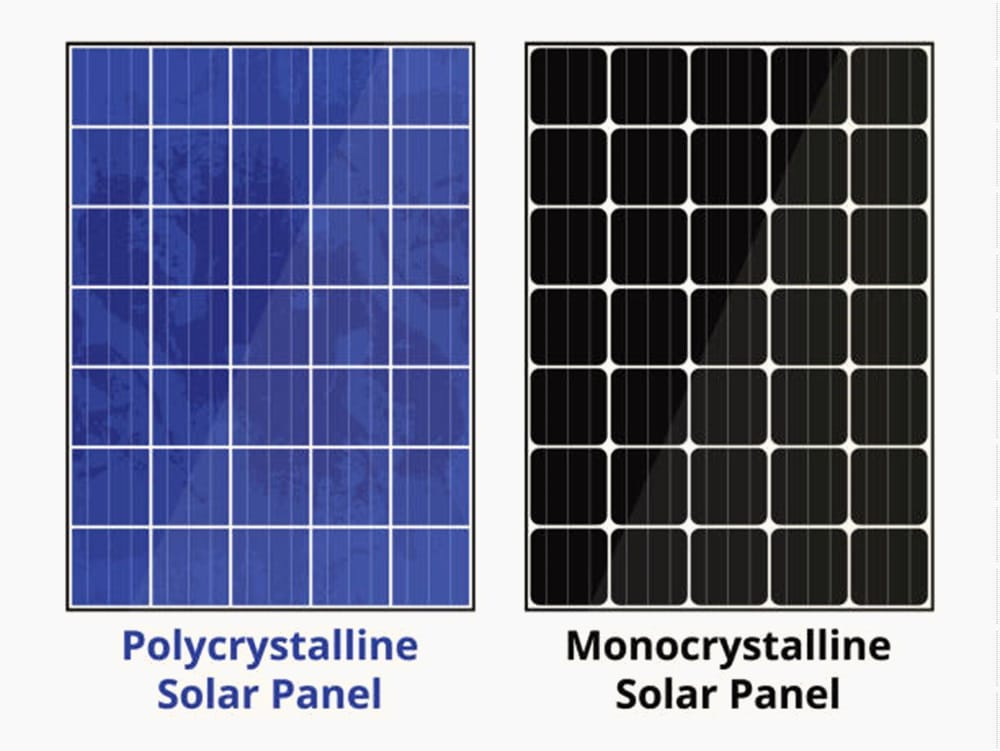
Most Aussie homes use monocrystalline panels. These offer the highest efficiency, between 19% and 23%, and perform well in hot climates. They’re ideal when roof space is limited or you want top performance.
Polycrystalline panels are more budget-friendly but slightly less efficient. They work well if you have ample roof space and want to keep costs down.
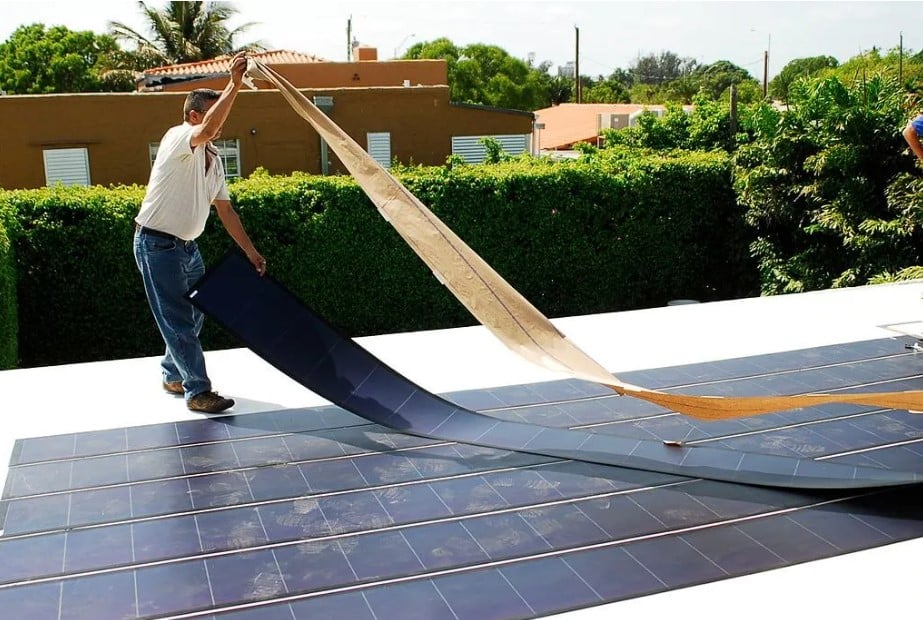
Thin film panels are lightweight and flexible, making them a smart choice for caravans, boats, and curved rooftops. They’re not commonly used for standard home installations.
What makes a quality panel?
Don’t just look at the price tag. Consider these key features:
Efficiency: Higher efficiency means fewer panels to reach your energy target.
Temperature coefficient: Indicates how well a panel performs in heat—lower is better.
Power tolerance: A tighter tolerance ensures more consistent power output, even on cloudy days.
These features affect long-term performance and can improve your return on investment.
Warranties and performance guarantees
Good solar panels come with a 25-year performance warranty, guaranteeing at least 80% output after two and a half decades. You should also expect a product warranty of 10–15 years that covers defects or build issues.
Stick with brands that offer local support and have a strong reputation in the market. Warranties mean little if the company disappears in five years.
Industry standards and rebate eligibility
To access government rebates and STCs, your panels must meet Clean Energy Council (CEC) requirements. From 1 October 2024, all panels must comply with the updated IEC 61215:2021 standard.
If a panel isn’t on the CEC’s approved list, it’s not rebate-eligible—no matter how cheap it is.
Trusted brands and Tier rankings
Tier-1 manufacturers, like LONGi, SunPower, and REC, are known for producing high-quality panels that go the distance. They control their supply chain, invest in R&D, and have solid financial backing.
While Tier-2 and Tier-3 brands might be cheaper upfront, they often come with shorter warranties, weaker support, and less reliable performance over time.
How many panels do you need?
Most homes install systems between 5kW and 10kW. A 6.6kW system, Australia’s most popular size, uses around 20–24 panels, depending on wattage and roof layout.
You’ll need to factor in your household’s average energy use, future needs (like EV charging), and available roof space. A CEC-accredited installer can help model this.
Read more about solar panel sizes and wattage.